


Fighting for Justice and Compensation
Advocating for Workers Exposed to Toxic Chemicals
For over 30 years, The Downs Law Group has been at the forefront of advocating for individuals affected by toxic workplace exposure. Our dedicated team of attorneys represents clients in a variety of cases, including BP Oil Spill cleanup worker health issues, firefighter AFFF and turnout gear PFAS exposure, active military and veteran PFAS exposure through contaminated water and fire retardant foam and gear, as well as oil and gas worker medical conditions.
We are committed to securing justice and compensation for those who have suffered due to hazardous substances in their work environments. Trust our experienced legal team to handle your case with the expertise and compassion you deserve.
Exposure to toxic chemicals in the workplace can lead to devastating health consequences, often surfacing years after initial exposure. At The Downs Law Group, we understand the serious impact that hazardous substances can have on workers and their families. From respiratory illnesses and cancers to neurological disorders and organ damage, these conditions demand strong legal advocacy to hold responsible parties accountable.
Relevant Experience

Corexit Dispersant
Used during the BP Oil Spill cleanup to breakdown oil, exposure to Corexit may cause acute and chronic health issues as well as blood cancer, lung cancer, bone cancer, and bladder cancer in adults and children.
Crude Oil & Natural Gas
Long-term exposure to crude oil, particularly during oil spill cleanup efforts and in the workplace, can lead to serious breathing issues and health conditions such as Leukemia, Lymphoma, Myeloma, and more.
Benzene Exposure
Found in petrochemical industries, benzene exposure may be linked to blood disorders and various forms of leukemia. Commonly found in workplaces such as gas stations, mechanic shops, oil refineries, oil rigs, factories, and more.
Forever Chemicals
Firefighters and military personnel exposed daily to PFAS, also known as ‘Forever Chemicals’ in firefighting foam, gear, and military base drinking water may face increased risks of cancer and other severe medical issues.

“Our firm is deeply committed to fighting for the rights of workers who have suffered from toxic exposures in their workplaces. With over 30 years of experience, we understand the devastating impact these hazards can have on your health and livelihood. We urge you to pursue justice and hold those responsible accountable. Trust us to stand by your side and ensure you receive the compensation you deserve.”
Craig T. Downs | Founding & Principal Attorney

+
K
+$1B
24/7
Scope of Legal Services
Have you been exposed to PFAS in the environment you live and work?
Serving those affected nationwide, we represent individuals, and their surviving family members, who have fallen ill due to the below:
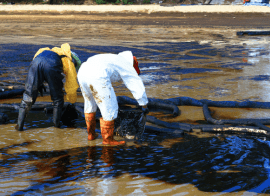
BP's Deepwater Horizon Oil Spill Cleanup Crew
The Deepwater Horizon’s ongoing impact drives our mission at The Downs Law Group. Operating across Texas, Louisiana, Alabama, Mississippi, and the Gulf Coast, we secure medical expense compensation for those harmed. Having witnessed firsthand the aftermath of the 2010 BP oil spill, our Southern roots deepen our resolve to aid recovery workers and affected communities. We operate on a no-win, no-fee basis and provide free initial consultations.

Active & Veteran Military Personnel
The Downs Law Group is committed to serving those who’ve served our nation. We represent veterans and their families suffering from exposure to ‘forever chemicals’ (PFAS) during their time in the military. We advocate for those who have also fallen ill due to PFAS being present in their water supply, fighting for justice and rightful compensation on their behalf.

Active & Retired Firefighters
Regular exposure to certain firefighting foams containing PFAS can result in these ‘forever chemicals’ accumulating in firefighters’ bodies, potentially leading to serious health complications over time. We fight for those suffering from illnesses linked to ‘forever chemicals’ (PFAS) also found in firefighting gear that can seep into firefighters’ skin through sweat and other exposure routes, posing serious health risks over time.

Fueling Station Attendants
Fueling station attendants who manage the fueling of cars, boats, and airplanes are at significant risk of long-term exposure to hazardous substances like crude oil, natural gas, and benzene. These chemicals can lead to severe health issues, including respiratory problems and various cancers. Benzene, a known carcinogen, is particularly dangerous and can cause blood disorders such as leukemia. It’s crucial for fueling station attendants to understand these risks and take necessary precautions to minimize exposure.

Auto Repair Techs & Mechanics
Auto repair techs and mechanics are often exposed to benzene, crude oil, and natural gas, substances that pose significant health risks. These workers are particularly vulnerable to inhalation and direct skin contact due to inadequate protective equipment. Chronic exposure can lead to serious health conditions and cancer. Benzene, commonly found in solvents and gasoline, is a major concern as it is linked to leukemia and other blood disorders. Proper safety measures and awareness are essential for those in the auto repair industry.

Oil Refinery Workers
Oil refinery workers are exposed to dangerous substances daily, including benzene, natural gas, and crude oil. These hazardous chemicals can enter the body through direct contact, inhalation, and more. Long-term exposure increases the risk of developing severe health issues such as respiratory diseases, chronic medical conditions, and various cancers. Benzene exposure is particularly concerning, as it is known to cause blood cancer and other serious blood disorders. Awareness and proper protective measures are critical for refinery workers.

Chemical Plant Workers
Chemical plant workers may be exposed to benzene, a hazardous substance found in various industrial products like solvents, detergents, and plastics. Benzene exposure can cause severe health problems, including respiratory issues, skin irritation, and blood disorders such as leukemia. Understanding the sources and risks of benzene exposure is vital for chemical plant workers to protect themselves from its harmful effects. Implementing safety protocols and using appropriate protective equipment can help minimize these risks.

Paint & Coating Manufacturers
Employees in the paint and coating manufacturing industry face exposure to harmful chemicals, including benzene. Benzene, used in various solvents and paints, is a known carcinogen that can lead to serious health issues such as acute and chronic breathing problems such as COPD and blood cancers like leukemia. It’s important for workers in this industry to be aware of the dangers of benzene and take necessary precautions to reduce exposure. Proper ventilation, protective gear, and adherence to safety guidelines are essential to safeguard their health.

Industrial Cleaning Services
Industrial cleaning service providers may encounter toxic substances such as benzene, crude oil, and natural gas in their work environments. These chemicals pose significant health risks, including respiratory issues, skin conditions, and cancers. Benzene exposure, in particular, can lead to serious blood disorders like leukemia. Workers in this field must be aware of these dangers and take appropriate measures to minimize exposure. Using protective equipment, ensuring proper ventilation, and following safety protocols are crucial steps in protecting their health.

Gas & Oil Transportation Drivers
Gas and oil transportation drivers face significant exposure to hazardous substances like crude oil, natural gas, and benzene during the transport of these materials. Prolonged exposure can lead to severe health problems, including respiratory problems and cancers. Benzene exposure is especially concerning, as it can cause blood cancers such as leukemia.
Toxic Workplace Exposure Lawsuit FAQ
Explore our FAQ section tailored to those grappling with health challenges possibly stemming from hazardous substances such as benzene, crude oil, and natural gas. Gain valuable insights into legal pathways, compensation prospects, and the crucial steps necessary to protect your rights in pursuing justice for toxic exposure-related issues.